role of pentose phosphate pathway Pathway pentose phosphate role cancer ppp diabetes frontiersin insulin figure resistance fendo
Pentose Phosphate Pathway: What You Need To Know Are you aware that the Pentose Phosphate Pathway is a vital process in our body’s metabolism? It is also known as the hexose monophosphate shunt, which produces the nicotinamide adenine dinucleotide phosphate (NADPH) and ribose-5-phosphate. NADPH plays a crucial role in oxidative stress and biosynthesis, while ribose-5-phosphate is essential in nucleotide synthesis. In this article, we will delve deeper into the Pentose Phosphate Pathway, its role in diabetes, and its biochemistry. The Pentose Phosphate Pathway is a metabolic pathway that occurs in the cytoplasm of our cells. It is involved in producing NADPH, which is required in various metabolic processes that need reducing power. For instance, cells need NADPH to reduce oxidized glutathione and combat oxidative stress. In addition, NADPH plays a crucial role in biosynthesis since it provides reducing power for anabolic reactions such as fatty acid and cholesterol synthesis. The Pentose Phosphate Pathway also produces ribose-5-phosphate, which is a precursor for nucleotide synthesis. Our cells require nucleotides to build DNA and RNA, which are essential for cell growth and division. Thus, the Pentose Phosphate Pathway is essential for the maintenance of cell integrity and proliferation. In diabetes, the Pentose Phosphate Pathway plays a significant role. It is known that NADPH is required for insulin secretion in pancreatic β-cells. As such, any disruptions in the Pentose Phosphate Pathway may lead to a decrease in insulin secretion. Studies have also shown that the Pentose Phosphate Pathway can reduce oxidative stress in diabetes. This is because diabetes is a metabolic disorder that results in hyperglycemia, and increased oxidative stress can exacerbate the condition. Thus, any process that can reduce oxidative stress, such as the Pentose Phosphate Pathway, can be helpful. Now, let’s move on to the biochemistry of the Pentose Phosphate Pathway. The pathway consists of two different phases; oxidative and non-oxidative. The oxidative phase is responsible for producing NADPH, while the non-oxidative phase produces ribose-5-phosphate. The oxidative phase begins with the conversion of glucose-6-phosphate to 6-phosphogluconolactone, which is then cleaved by 6-phosphogluconolactonase to produce 6-phosphogluconate. This step generates NADPH, which is required for various metabolic processes. The non-oxidative phase, on the other hand, involves a series of reversible reactions that convert ribulose-5-phosphate and xylulose-5-phosphate to different sugars. The most important of these sugars is ribose-5-phosphate, which is a precursor for nucleotide synthesis. In conclusion, the Pentose Phosphate Pathway is a vital process in our body’s metabolism. It is involved in producing NADPH, which is required for oxidative stress and biosynthesis, and ribose-5-phosphate, which is necessary for nucleotide synthesis. In diabetes, the Pentose Phosphate Pathway plays a significant role in insulin secretion and reducing oxidative stress. Thus, understanding the Pentose Phosphate Pathway and its role in our body’s metabolism can help us appreciate its importance and significance.
The Role of the Pentose Phosphate Pathway in Diabetes and Its Biochemistry
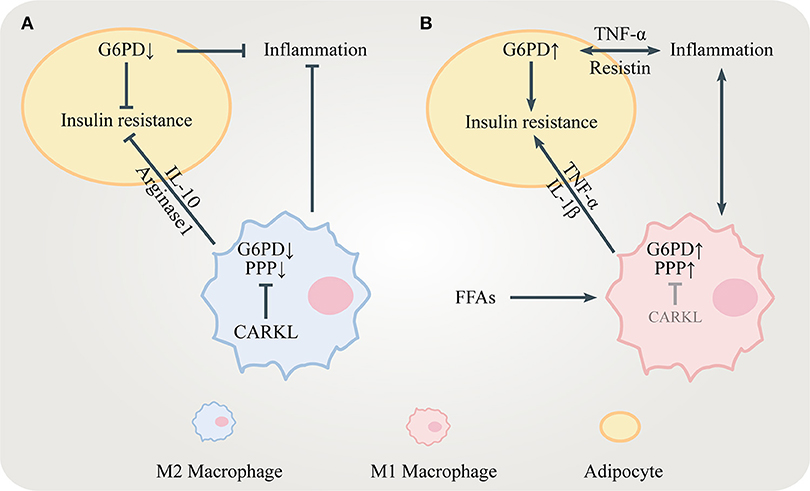 The Pentose Phosphate Pathway is a metabolic pathway that occurs in the cytoplasm of our cells. It is involved in producing NADPH, which is required in various metabolic processes that need reducing power. For instance, cells need NADPH to reduce oxidized glutathione and combat oxidative stress.
The Biochemistry of the Pentose Phosphate Pathway
 The Pentose Phosphate Pathway consists of two different phases; oxidative and non-oxidative. The oxidative phase is responsible for producing NADPH, while the non-oxidative phase produces ribose-5-phosphate. The oxidative phase begins with the conversion of glucose-6-phosphate to 6-phosphogluconolactone, which is then cleaved by 6-phosphogluconolactonase to produce 6-phosphogluconate.
If you are searching about Pentose Phosphate Pathway you’ve came to the right page. We have 5 Pictures about Pentose Phosphate Pathway like Biochemistry: Pentose Phosphate Pathway | Draw It to Know It, Pentose Phosphate Pathway and also Image. Read more:
Pentose Phosphate Pathway
 microbenotes.comphosphate pentose pathway biochemistry
Diagram Of The Pentose Phosphate Pathway And NADPH Consumption Scheme
 www.researchgate.netnadph pathway pentose phosphate metabolic gsh nadp gssg peroxides form
Biochemistry: Pentose Phosphate Pathway | Draw It To Know It
www.drawittoknowit.compentose phosphate metabolism biochemistry drawittoknowit
Frontiers | The Role Of The Pentose Phosphate Pathway In Diabetes And
www.frontiersin.orgpathway pentose phosphate role cancer ppp diabetes frontiersin insulin figure resistance fendo
Image
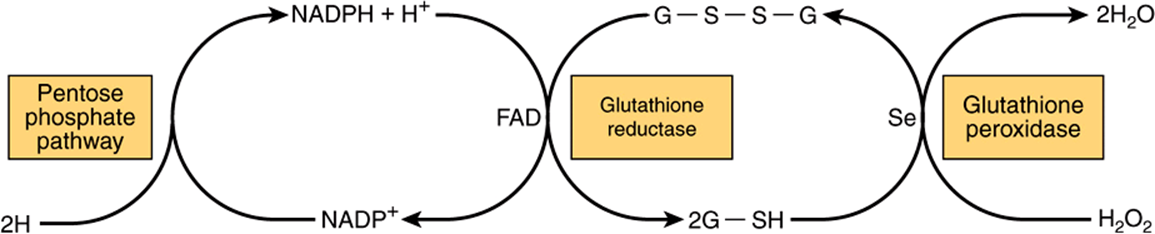 schoolbag.infopathway pentose phosphate biochemistry glutathione erythrocytes reaction role peroxidase enzyme figure illustrated harper 29th edition chemistry schoolbag info
Pentose phosphate metabolism biochemistry drawittoknowit. Biochemistry: pentose phosphate pathway. Phosphate pentose pathway biochemistry